
Personal Growth

Recent Content

Your Story Is How Meaning Gets Made

Your Story Is How Meaning Gets Made

Post

Hannah Arendt believed stories carry meaning that definitions destroy. Discover why telling the truth of a life is one of the most powerful things you can do.

Good Is Better Than Perfect

Good Is Better Than Perfect

Post

John Steinbeck understood that perfectionism is not a standard — it is a trap. Discover why releasing the need to be perfect is what finally lets you be good.

The Journey Is the Point

The Journey Is the Point

Post

Ursula Le Guin believed the destination matters less than what the journey makes of you. Discover how this shifts the way you measure a life well lived.

Stop Waiting. The Moment Is Now.

Stop Waiting. The Moment Is Now.

Post

Simone de Beauvoir's most urgent words cut through every excuse for waiting. Discover why the only moment you can act on is the one you're already in.

The Greatest Gift You Can Give Yourself

The Greatest Gift You Can Give Yourself

Post

Joseph Campbell believed the greatest gift you can give yourself is permission to be exactly who you are. Discover what that really means and how to live it.

See All Content
Terms and ConditionsDo Not Sell or Share My Personal InformationPrivacy PolicyPrivacy NoticeAccessibility NoticeUnsubscribe
Copyright © 2026 Inspirational Quotes

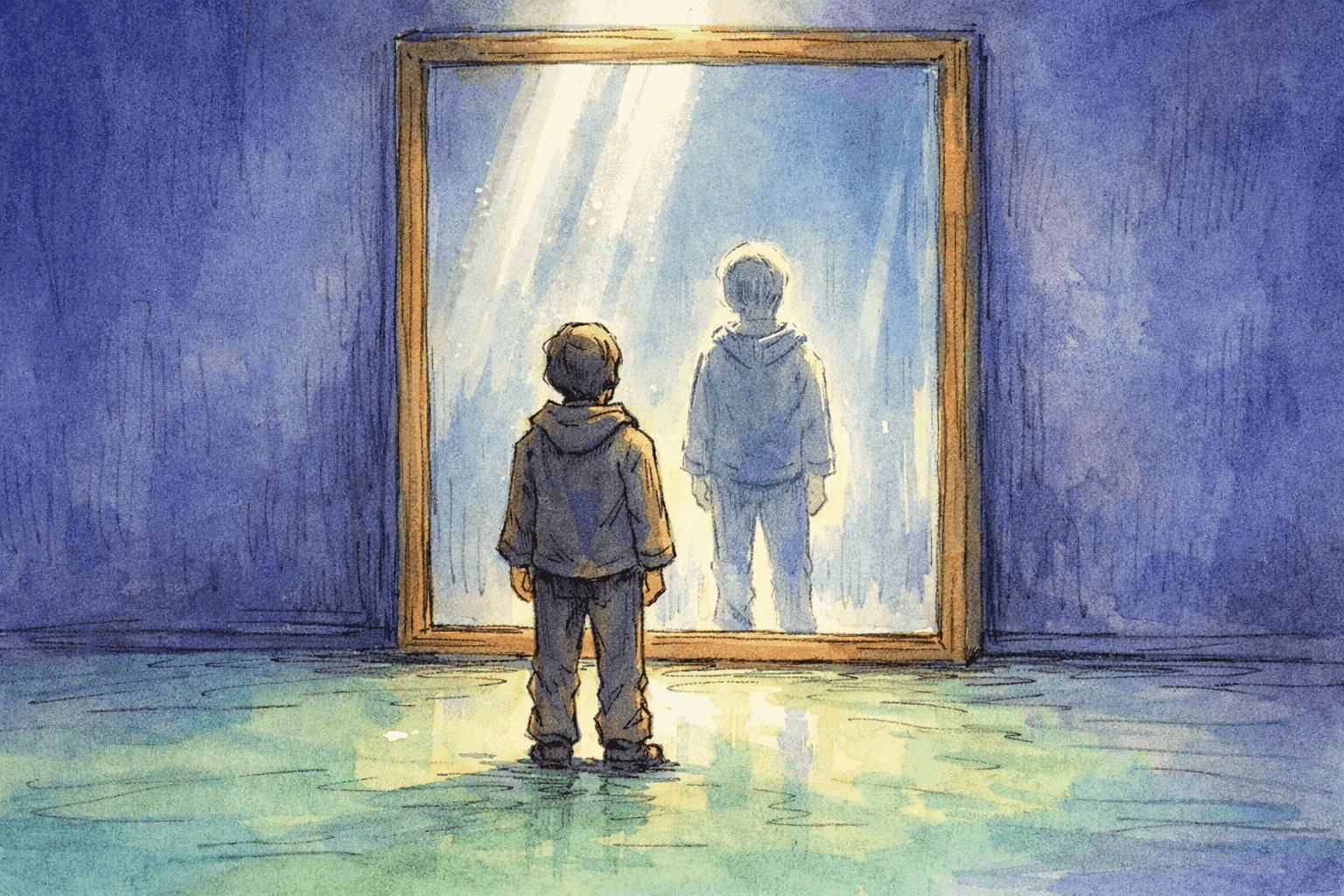
Stop Fooling the Most Important Person

Inspirational image for quote

"The first principle is that you must not fool yourself, and you are the easiest person to fool."

— Richard Feynman

Richard Feynman (1918--1988) was an American theoretical physicist who won the Nobel Prize in Physics in 1965 for his work on quantum electrodynamics. Known as much for his irrepressible curiosity and gift for teaching as his scientific genius, he worked on the Manhattan Project, contributed to the investigation of the Space Shuttle Challenger disaster, and wrote a series of beloved books and lectures that brought complex physics to general audiences. His approach to thinking -- grounded in first principles, ruthless skepticism, and genuine love of not knowing -- made him one of the most quotable scientists who ever lived.

PERSONAL GROWTH
SELF-AWARENESS
INTEGRITY

Context

Feynman delivered this line during his 1974 commencement address at Caltech, where he challenged graduates to practice what he called "scientific integrity" -- an extreme form of honesty that begins not with scrutinizing others but with scrutinizing yourself. He was speaking about science, but he understood the principle was universal. The ways we deceive ourselves are subtle and motivated: we unconsciously remember evidence that supports what we already believe, dismiss feedback that threatens our self-image, and mistake the feeling of understanding for actual understanding. What makes the quote sting is its specificity. It is not "you might fool yourself sometimes." It is that you are the easiest person to fool, full stop.

Today's Mantra

I am honest with myself first, even when the truth is inconvenient.

Reflection Question

Where in your life are you working hardest to avoid a particular conclusion? What would you have to change, admit, or let go of if you stopped fooling yourself about it?

Application Tip

Pick one area of your life -- a relationship, a habit, a goal, a belief about yourself -- where you suspect you have been too generous with your own assessment. Write down the most honest version of where things actually stand, not the version you have been telling yourself or others. Then write one specific action that version of the truth would require you to take this week. Feynman's point is that clarity about reality, however uncomfortable, is always the starting point for genuine change.