
Personal Growth

Recent Content

The Kind of Love That Makes Things Bloom

The Kind of Love That Makes Things Bloom

Post

Pablo Neruda on what it looks like to love without restraint. Discover what this single line says about the kind of presence we can offer each other.

You Don't Have to Have the Answer Yet

You Don't Have to Have the Answer Yet

Post

Rilke's most enduring advice: stop demanding answers and learn to live inside the questions. Discover why uncertainty can be the most honest place to be.

Power Is Not the Point. What You Do With It Is.

Power Is Not the Point. What You Do With It Is.

Post

Toni Morrison's quiet challenge: if you have power and you're not using it to lift someone else, what exactly are you doing with it?

The Choice You Have Even When You Have No Choice

The Choice You Have Even When You Have No Choice

Post

Haruki Murakami on the four-word distinction that separates people who endure from people who are consumed. Discover where your real choice lives.

Every Word You Choose Is an Act

Every Word You Choose Is an Act

Post

Margaret Atwood's five-word declaration on language and agency. Discover why the words you choose are never neutral -- and never without consequence.

See All Content
Terms and ConditionsDo Not Sell or Share My Personal InformationPrivacy PolicyPrivacy NoticeAccessibility NoticeUnsubscribe
Copyright © 2026 Inspirational Quotes

Getting Lost Is Where the Real Journey Starts

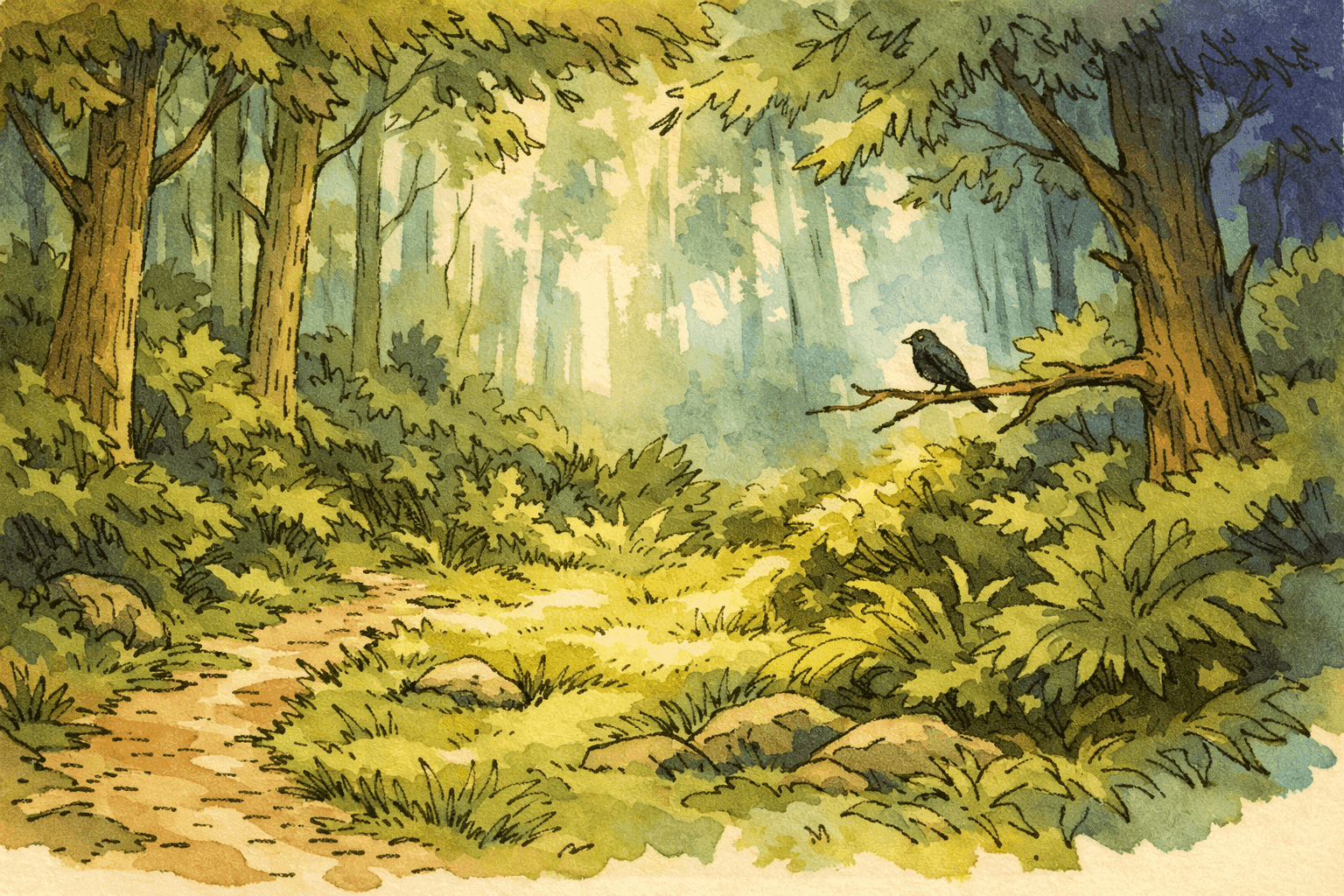
Inspirational image for quote

"It may be that when we no longer know what to do, we have come to our real work, and when we no longer know which way to go, we have begun our real journey."

-- Wendell Berry

Wendell Berry (1934-- ) is an American novelist, poet, essayist, and farmer who has spent most of his adult life working the same land in Port Royal, Kentucky, that his family has farmed for generations. He studied at the University of Kentucky and Stanford, taught briefly at New York University, and then made a decision that defined his entire subsequent work: he returned home. His essays, collected in volumes including The Unsettling of America and What Are People For?, argue with quiet persistence that the health of our communities, our land, and our inner lives are not separate questions. He has written more than fifty books. He has also, for decades, plowed his fields with horses rather than a tractor. The quote in this post comes from his essay collection Standing by Words, and it reflects the central conviction of his life's work: that the most important knowledge comes not from mastery and certainty but from willingness to stay with what we do not yet understand.

PERSONAL GROWTH
COURAGE
INTENTIONAL LIVING

Context

Berry wrote this in his essay collection Standing by Words, a book concerned with precision, language, and the difference between knowing something and merely having information about it. His argument, developed across decades of farming and writing, is that our culture is deeply uncomfortable with not-knowing -- that we treat confusion as a failure state to be corrected as quickly as possible, rather than as a threshold to pass through carefully. The word "real" is doing everything in this sentence. Much of what we call work and journey, Berry implies, is performed within the bounds of what we already know -- managed, predictable, safe. The actual work, the actual journey, begins at the edge of what we understand. Sitting with that edge, instead of fleeing from it, is the discipline he spent his life practicing.

Today's Mantra

When I no longer know what to do, I stay present -- because this may be where something real begins.

Reflection Question

Where in your life right now do you feel genuinely at a loss -- not sure what to do next, not sure which direction is right? Have you been treating that feeling as a problem to solve quickly, or as something worth staying with? What might become possible if you stopped trying to escape the confusion and instead asked what it was pointing toward?

Application Tip

The next time you feel genuinely stuck -- not sure what to do, not sure which way to go -- resist the impulse to reach immediately for advice, research, or any other tool that will help you feel productive rather than present. Instead, sit with the confusion for twenty minutes and write down what it actually feels like: not what you are confused about, but what the texture of not-knowing is like in your body and your thoughts. Then ask one question: what does this confusion seem to be protecting? Very often what we experience as being lost is actually the sensation of standing at the edge of a life we have not yet learned how to live. Berry's point is not to enjoy confusion. It is to respect what it might know that your certainty does not.