
Creativity & Purpose

Recent Content

The Danger of the Incomplete Story

The Danger of the Incomplete Story

Post

Chimamanda Ngozi Adichie on why incomplete stories do more damage than lies. Discover what it takes to see people -- and yourself -- more fully.

Your Days Are Your Life

Your Days Are Your Life

Post

Annie Dillard's quiet provocation: the way you fill your hours is the way you fill your life. Discover what your daily choices are quietly building.

The Story You're Living Right Now

The Story You're Living Right Now

Post

Joan Didion believed the stories we tell ourselves are not decoration but survival. Discover how reexamining your personal narrative can change everything.

Three Instructions That Change Everything

Three Instructions That Change Everything

Post

Mary Oliver distilled a lifetime of nature poetry into three simple commands. Discover how paying attention and wonder can transform your everyday life.

The Right Way to Fight for What Matters

The Right Way to Fight for What Matters

Post

Ruth Bader Ginsburg knew that how you fight for what matters determines whether anyone fights with you. Discover her approach to lasting change.

See All Content
Terms and ConditionsDo Not Sell or Share My Personal InformationPrivacy PolicyPrivacy NoticeAccessibility NoticeUnsubscribe
Copyright © 2026 Inspirational Quotes

Every Word You Choose Is an Act

Inspirational image for quote

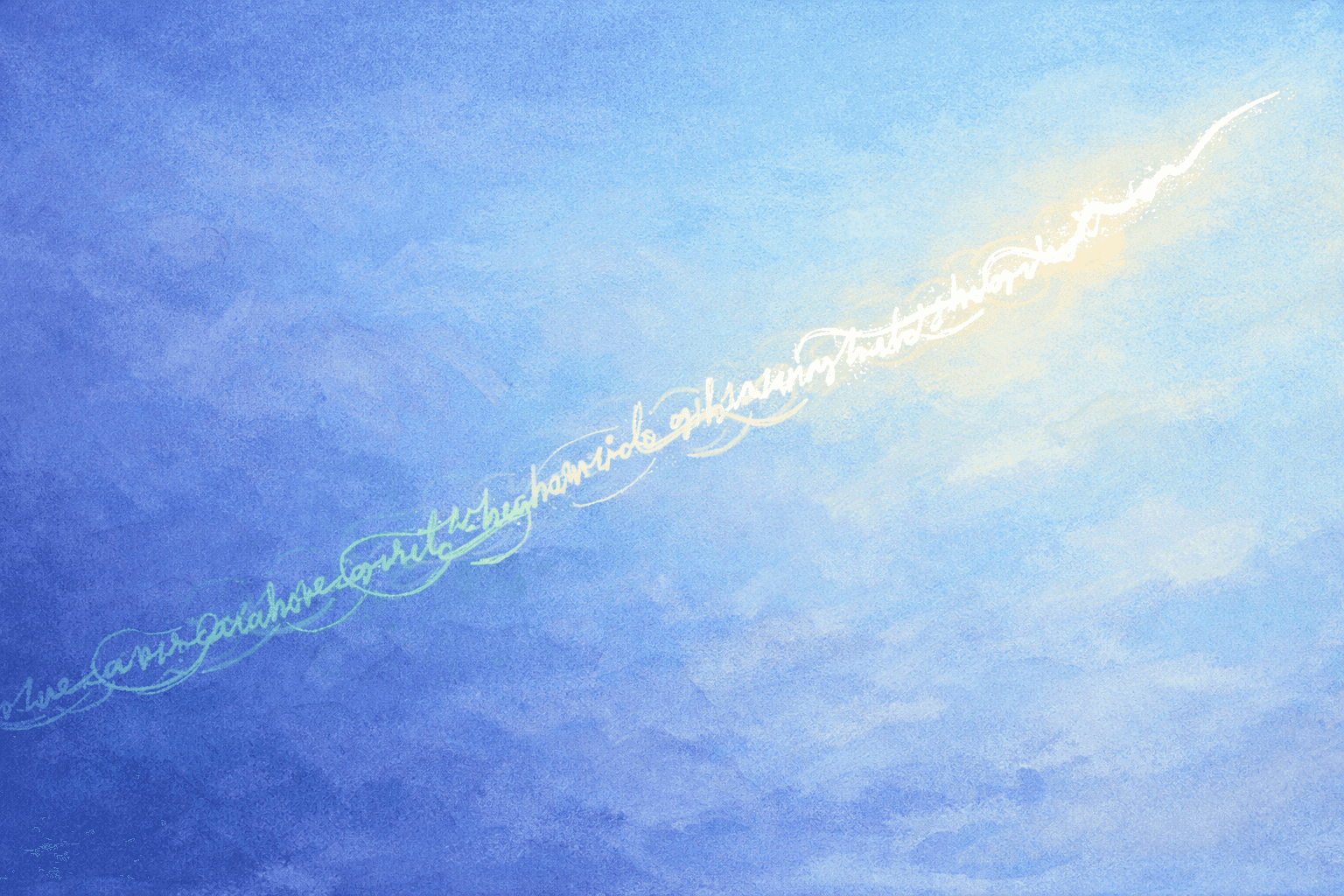
"A word after a word after a word is power."

-- Margaret Atwood

Margaret Atwood (born 1939) is a Canadian author whose work spans poetry, fiction, literary criticism, and environmental writing -- and whose influence on contemporary literature is difficult to overstate. Born in Ottawa, she published her first poetry collection at twenty-two and has not stopped since, producing more than fifty books across six decades. Her novels include The Handmaid's Tale, Alias Grace, The Blind Assassin, and Oryx and Crake. She has won the Booker Prize twice, the Arthur C. Clarke Award, and dozens of other honors. Atwood's writing is defined by a precise attention to language as a system of power: who gets to speak, who is silenced, what words are permitted, and what words are forbidden. This quote, drawn from her 1981 poem "Spelling," captures the core of that obsession in nine words.

CREATIVITY AND PURPOSE
AGENCY
LANGUAGE

Context

Atwood wrote this in "Spelling," a poem about language, motherhood, and what it means to teach a child to read in a world that has historically controlled who gets to write. The line is structurally enacting its own argument: the slow, deliberate accumulation of one word after another is precisely how power is built and exercised. Atwood was not speaking only about poetry. She was pointing to the political reality that language is never neutral -- that the act of naming, describing, and claiming a story is an act of power, whether you intend it that way or not. The line lands differently depending on who reads it: as invitation, as warning, or as permission.

Today's Mantra

I choose my words with intention, knowing that each one is building something.

Reflection Question

What is the story you most need to tell -- about yourself, your experience, or something you have witnessed -- that you have been holding back? What would it mean to start finding the words for it, even if no one else ever reads them?

Application Tip

For the next five days, spend five minutes each morning writing without stopping -- not a journal, not a to-do list, just one word after another after another, following whatever comes. Do not edit. Do not reread until the five minutes are up. Atwood's point is that power does not come from having the perfect words first. It comes from putting words down at all, repeatedly, until something true starts to emerge. At the end of five days, read back what you wrote and underline the one sentence that surprises you most. That sentence is probably the one worth developing.