
Personal Growth

Recent Content

Your Days Are Your Life

Your Days Are Your Life

Post

Annie Dillard's quiet provocation: the way you fill your hours is the way you fill your life. Discover what your daily choices are quietly building.

The Story You're Living Right Now

The Story You're Living Right Now

Post

Joan Didion believed the stories we tell ourselves are not decoration but survival. Discover how reexamining your personal narrative can change everything.

Three Instructions That Change Everything

Three Instructions That Change Everything

Post

Mary Oliver distilled a lifetime of nature poetry into three simple commands. Discover how paying attention and wonder can transform your everyday life.

The Right Way to Fight for What Matters

The Right Way to Fight for What Matters

Post

Ruth Bader Ginsburg knew that how you fight for what matters determines whether anyone fights with you. Discover her approach to lasting change.

Every Wind Is Wrong When You Have No Destination

Every Wind Is Wrong When You Have No Destination

Post

Seneca knew that direction matters more than effort. Discover why the clearest path to where you want to go starts with knowing exactly where that is.

See All Content
Terms and ConditionsDo Not Sell or Share My Personal InformationPrivacy PolicyPrivacy NoticeAccessibility NoticeUnsubscribe
Copyright © 2026 Inspirational Quotes

The Danger of the Incomplete Story

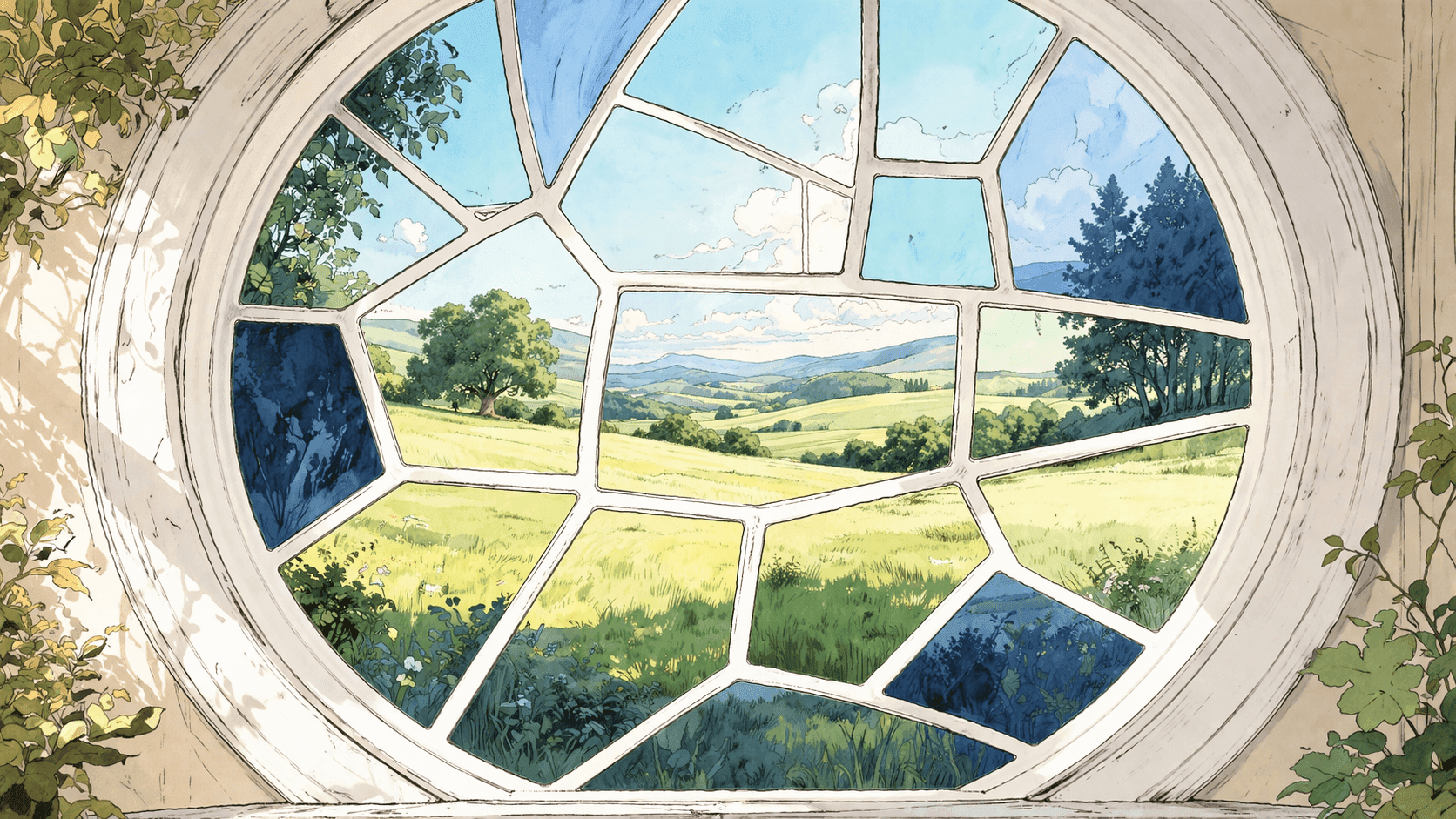
Inspirational image for quote

"The single story creates stereotypes, and the problem with stereotypes is not that they are untrue, but that they are incomplete."

-- Chimamanda Ngozi Adichie

Chimamanda Ngozi Adichie (born 1977) is a Nigerian author whose novels, essays, and talks have made her one of the most influential literary voices of her generation. Born in Enugu, Nigeria, and raised in the university town of Nsukka, she moved to the United States for college and has since navigated life between two continents -- an experience that sharpened her attention to the way stories shape identity, power, and belonging. Her novels include Purple Hibiscus, Half of a Yellow Sun, and Americanah. Her 2009 TED Talk, "The Danger of a Single Story," from which this quote is drawn, has been viewed over sixty million times and is regularly taught in schools and universities worldwide. Her essay "We Should All Be Feminists" was adapted into a book and distributed to every sixteen-year-old in Sweden.

PERSONAL GROWTH
IDENTITY
EMPATHY

Context

Adichie delivered these words in her 2009 TED Talk, drawing on her own experience of being flattened by others' single stories about Nigeria -- and of doing the same to others, including a Mexican houseboy she had only encountered through American news coverage. Her argument is precise and hard to dismiss: a stereotype does not have to be false to be dangerous. It only has to be the only story. A single true detail, repeated as though it were the whole, becomes a cage. What makes her insight so useful is that it applies in every direction -- to how we see other people, how we see entire cultures, and how we see ourselves. The story you have been told about who you are, and the story you keep telling, may not be wrong. It may simply be incomplete.

Today's Mantra

I hold my stories about people -- and myself -- loosely, knowing there is always more to the picture.

Reflection Question

What single story have you been telling about yourself -- about what you are capable of, who you are, or what your life means -- that might be true in part but incomplete in ways that are quietly limiting you?

Application Tip

Choose one person in your life -- a colleague, a family member, someone you find difficult -- and write down the single story you have been telling about them. Then spend ten minutes this week asking them one genuine question you do not already know the answer to, and actually listen to the response. You do not have to change your assessment. You just have to make room for a second chapter. Do the same for yourself: write the single story you most often tell about who you are, then write one sentence that the story leaves out. Start there.