
Personal Growth

Recent Content

Love Is an Action, Not a Feeling

Love Is an Action, Not a Feeling

Post

bell hooks argues love is something you do, not just feel—here's how that shifts the way you treat people today.

Naming What Scares You

Naming What Scares You

Post

Fred Rogers said anything mentionable is manageable—see why naming your fear out loud is the first step to calming it.

Will This Winter Really Bring "Surprises"?

Post

Should we really trust The Farmers' Almanac to accurately forecast weather events?

Loving What You Do

Loving What You Do

Post

Katharine Graham's blunt take on work and joy shows why loving what you do—not just succeeding at it—is the real measure of a life well spent.

The World Needs All Minds

The World Needs All Minds

Post

Temple Grandin's blunt take on different minds shows why resilience often means refusing to be reshaped into someone else's mold.

See All Content
logo
  • Success & Leadership
  • Mindfulness & Peace
  • Love & Relationships
  • Personal Growth
  • Creativity & Purpose
  • Resilience & Courage
  • About Us
  • Success & Leadership
  • Mindfulness & Peace
  • Love & Relationships
  • Personal Growth
  • Creativity & Purpose
  • Resilience & Courage
  • About Us
  • ​

The Cost of Inaction

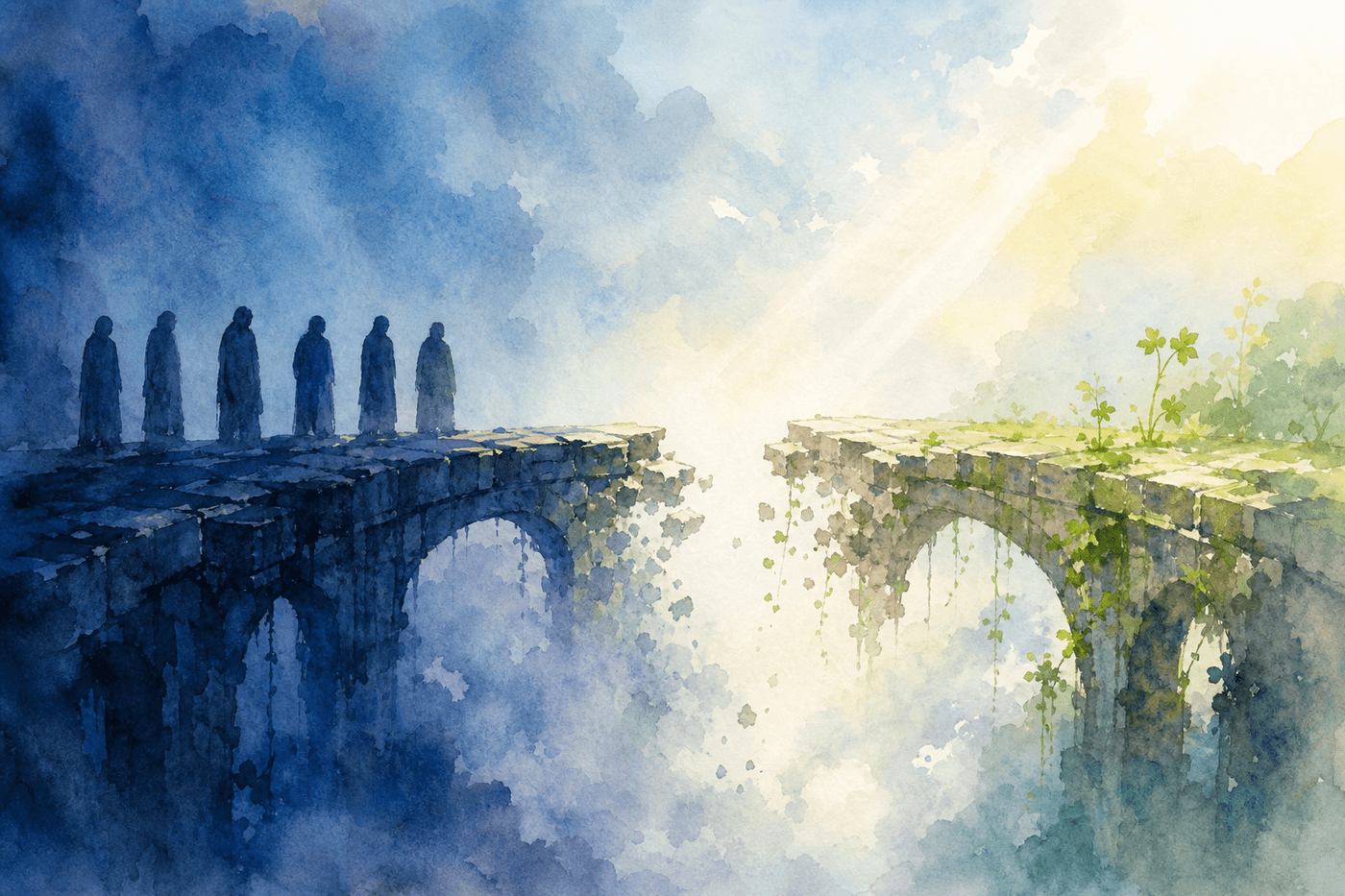
Inspirational image for quote

"We must always take sides. Neutrality helps the oppressor, never the victim. Silence encourages the tormentor, never the tormented."

— Elie Wiesel

Elie Wiesel (1928–2016) was a Romanian-born Jewish writer, Holocaust survivor, and Nobel Peace Prize laureate. Deported to Auschwitz at fifteen, he survived the camps that claimed his mother, father, and younger sister. His memoir Night became one of the most powerful testimonies of the Holocaust, translated into thirty languages. Wiesel spent his life bearing witness—not only to atrocity but to the moral imperative of memory and action. He taught at Boston University for decades, authored over fifty books, and advocated tirelessly for human rights worldwide. His work insists that indifference to suffering is itself a form of violence, and that silence in the face of evil makes us complicit.

PERSONAL GROWTH
MORAL COURAGE
JUSTICE

Context

Wiesel spoke these words not as abstract philosophy but as testimony forged in the camps. He watched fellow prisoners beaten while bystanders looked away. He saw the world's nations remain silent as trains carried millions to their deaths. This quote emerged from that crucible—a refusal to accept the comfortable fiction that staying quiet is neutral. In contexts of power imbalance, silence functions as consent. The tormentor benefits from every witness who says nothing, every institution that looks away, every person who chooses comfort over confrontation. Wiesel understood that neutrality is a mathematical impossibility in moral equations: inaction always adds weight to the heavier side. The question is never whether we take sides, but which side our silence serves.

Today's Mantra

I refuse the comfort of silence when justice demands my voice.

Reflection Question

Where in your life have you chosen silence—not out of wisdom or strategy, but out of the desire to avoid discomfort? Whose suffering did that silence make easier to sustain?

Application Tip

Identify one situation in your immediate environment—workplace, family, community—where an imbalance of power exists and where silence has become the norm. This week, break that silence once. Not with a grand gesture, but with a single clear sentence: a question that names what's happening, a statement that refuses the pretense of neutrality, or a public acknowledgment of someone being harmed. Write down beforehand exactly what you will say. Notice the discomfort that precedes speaking. Then speak anyway. Afterward, examine not whether it changed everything, but whether it changed you—whether you can still claim neutrality as an option.

Terms and ConditionsDo Not Sell or Share My Personal InformationPrivacy PolicyPrivacy NoticeAccessibility NoticeUnsubscribe
Copyright © 2026 Inspirational Quotes