
In Pascal's Own Words
“All of humanity's problems stem from man's inability to sit quietly in a room alone.”
— Pascal, Pensées
In the Pensées, Pascal gathered notes on human nature, including how people crave distraction and busyness to avoid facing quiet moments with their own thoughts. He saw restless activity as a way of escaping stillness, not as a sign of purpose. The idea still fits any household where someone hovers, fidgets, or checks one more time because waiting feels harder than doing.
Who Was Pascal?
Blaise Pascal was born in France in 1623 and was a prodigy in mathematics. As a teenager he built a mechanical calculator to help with his father's tax work. He helped lay the foundations of probability theory and did important experiments on air pressure and the vacuum. After a deep religious turn, he wrote the Provincial Letters and left behind notes that were published after his death as the Pensées. He died at 39. People still read him for his sharp, compact observations about the human heart.
Try This Today
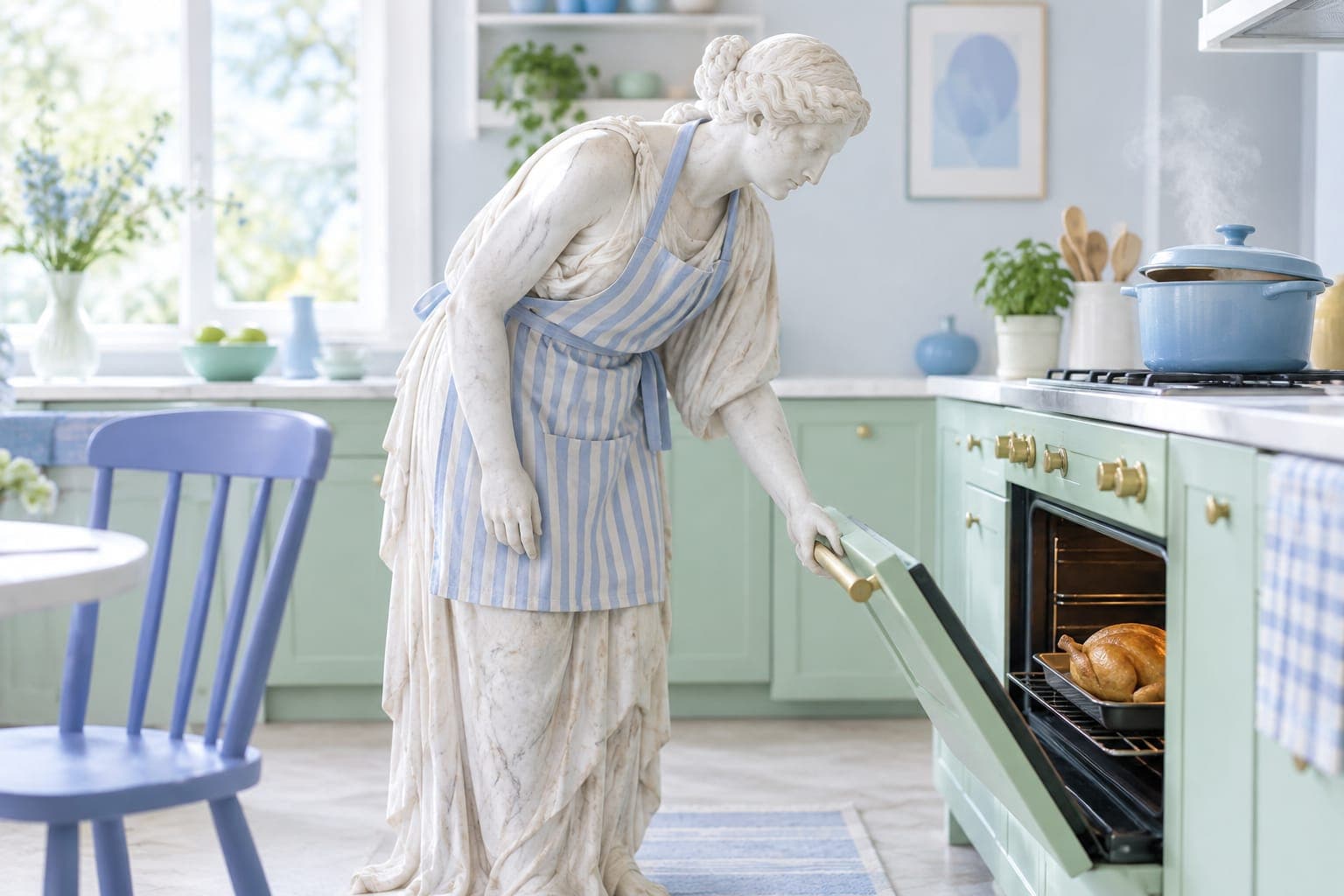
Tonight, pick one stretch of waiting, such as a pot coming to a boil, a kettle, or a slow elevator, and do nothing during it. No phone, no peeking, no tidying. Just stand or sit and let the minutes pass. Notice the urge to fidget and name it silently. Start with three minutes, then see how much calmer the rest of the evening feels.
Your Turn
When you are waiting for something you cannot speed up, what small busy-work do you reach for, and what might you notice if you skipped it?
Letters are composites written by the Lifted Words editors. Replies are written in the spirit of each thinker; the quote in the blue box is their own.